As we recognize Autism Acceptance Month and Occupational Therapy Month in April, it’s a meaningful time to celebrate each child’s unique strengths and the ways thoughtful support can help them grow. In fact, it’s the perfect opportunity to highlight how occupational therapy can play a meaningful role in helping children with autism thrive in their everyday lives.
Every child experiences the world differently. For children with autism, those differences can show up in how they communicate, play, process sensory input, and navigate daily routines. Occupational therapy helps bridge those gaps by building skills in a way that feels natural, supportive, and individualized to each child.
What Is Occupational Therapy?
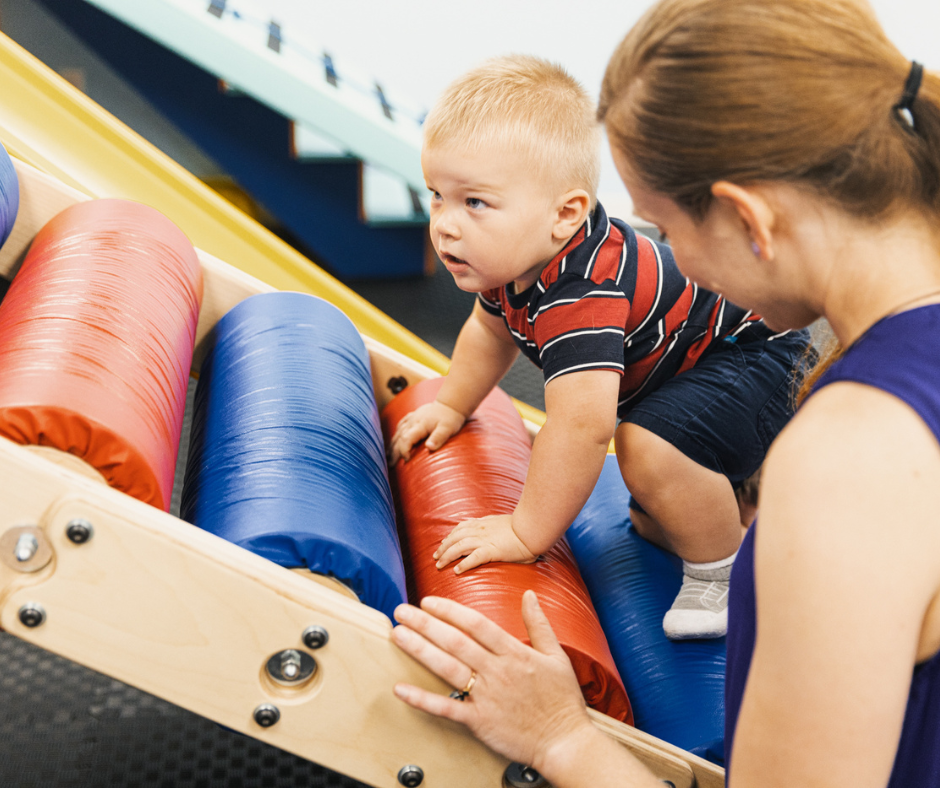
Occupational therapy focuses on helping children develop the skills they need for everyday life. For kids, that includes things like playing and interacting with others, managing daily routines like dressing and feeding, regulating emotions and attention, and participating in school and community activities
At its core, OT meets children where they are and helps them build the skills needed to participate more fully in their world.
How Can Occupational Therapy Support Children with Autism Spectrum Disorder?
Children on the autism spectrum often benefit from occupational therapy in several key areas:
1. Sensory Processing and Regulation
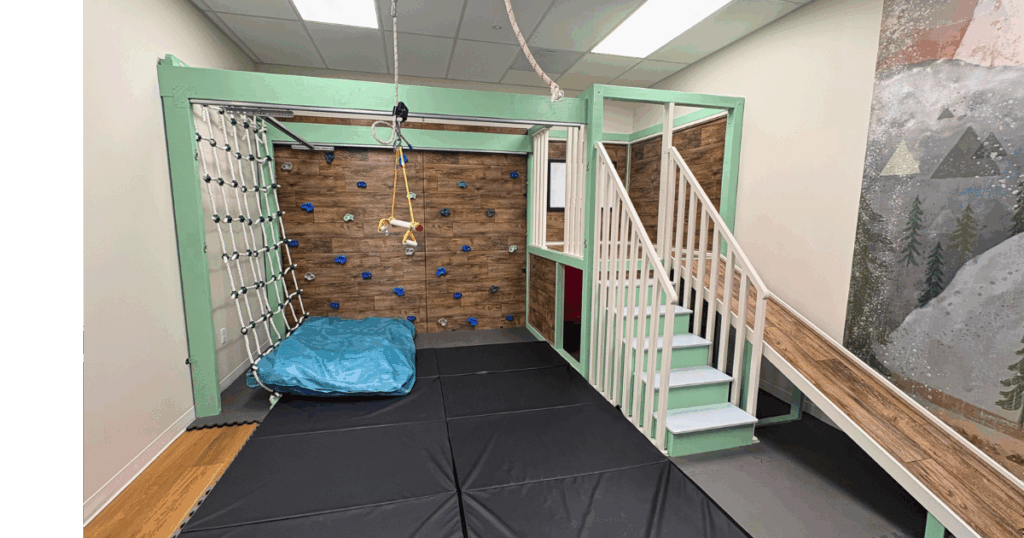
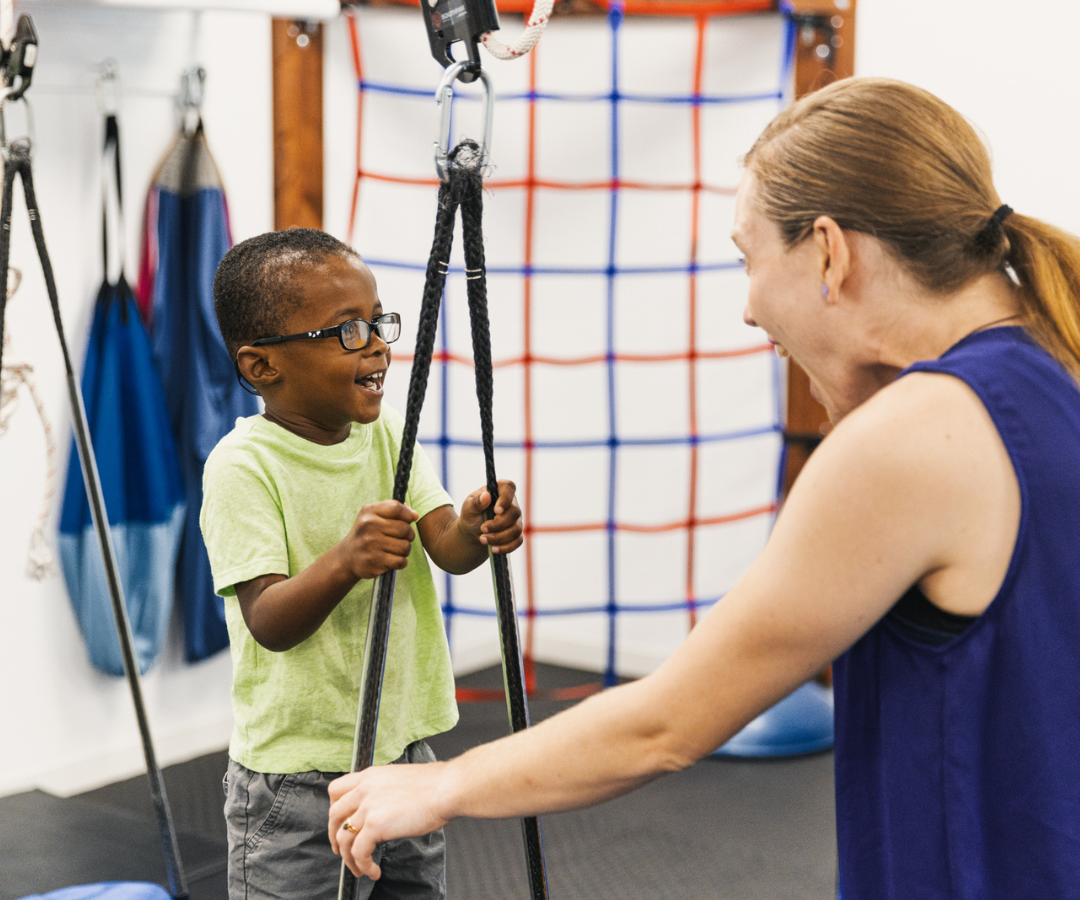
Many children with autism experience the world in a more intense or different way. Sounds may feel louder, textures may feel uncomfortable, or movement may be either overwhelming or highly sought after.
OT helps children:
- Better tolerate different sensory experiences
- Develop coping strategies for overwhelming environments
- Build regulation skills for calmer, more focused participation
This might look like creating a sensory-friendly routine, introducing calming strategies, or helping a child feel more comfortable with everyday experiences like haircuts or mealtimes.
2. Emotional Regulation and Transitions
Big emotions can be difficult for any child, but for children with autism, transitions and unexpected changes can feel especially challenging.
OT supports:
- Flexible thinking
- Transitioning between activities
- Managing frustration and anxiety
- Developing calming strategies that work for the child
Over time, these skills help children feel more confident and secure in their day-to-day routines.
3. Play and Social Participation
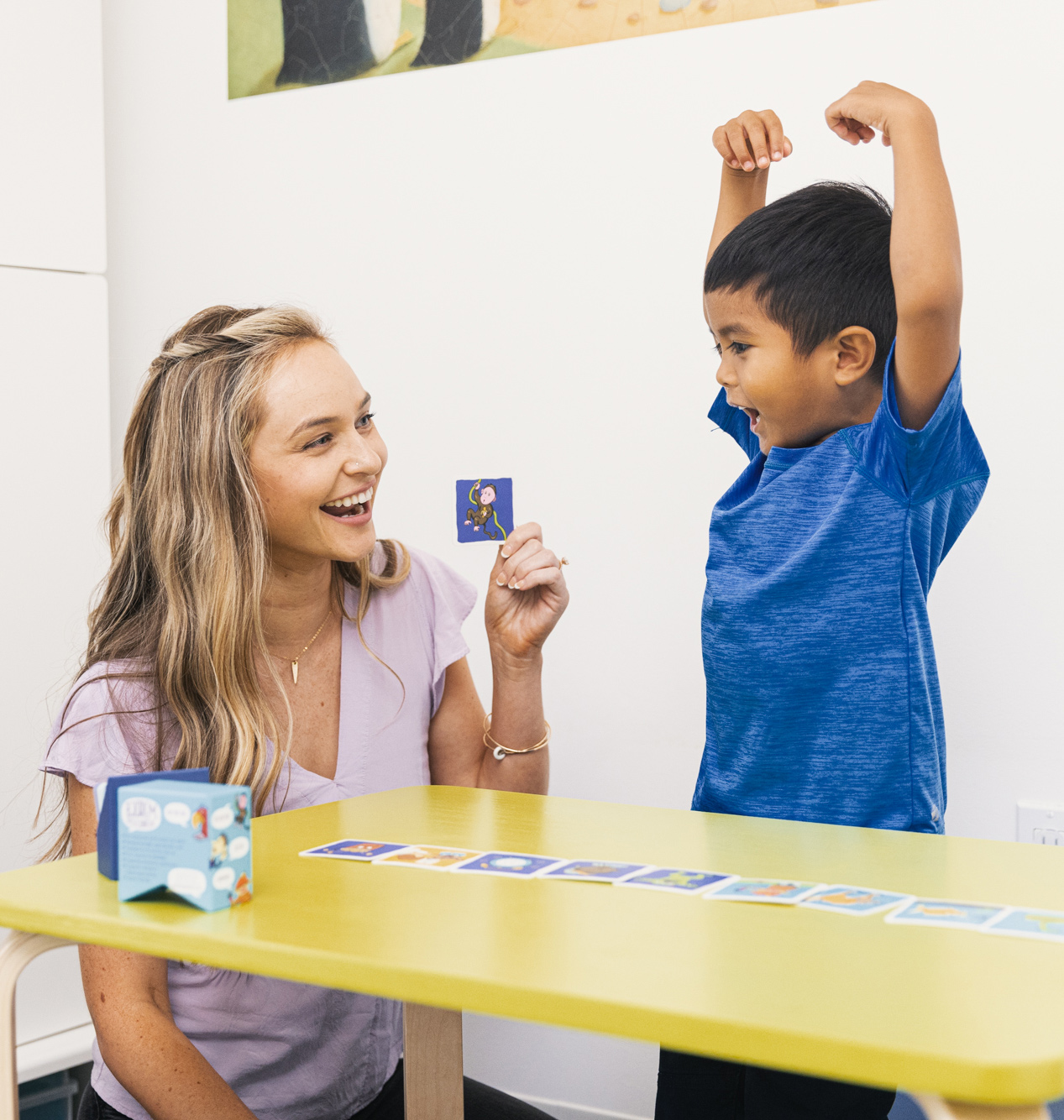
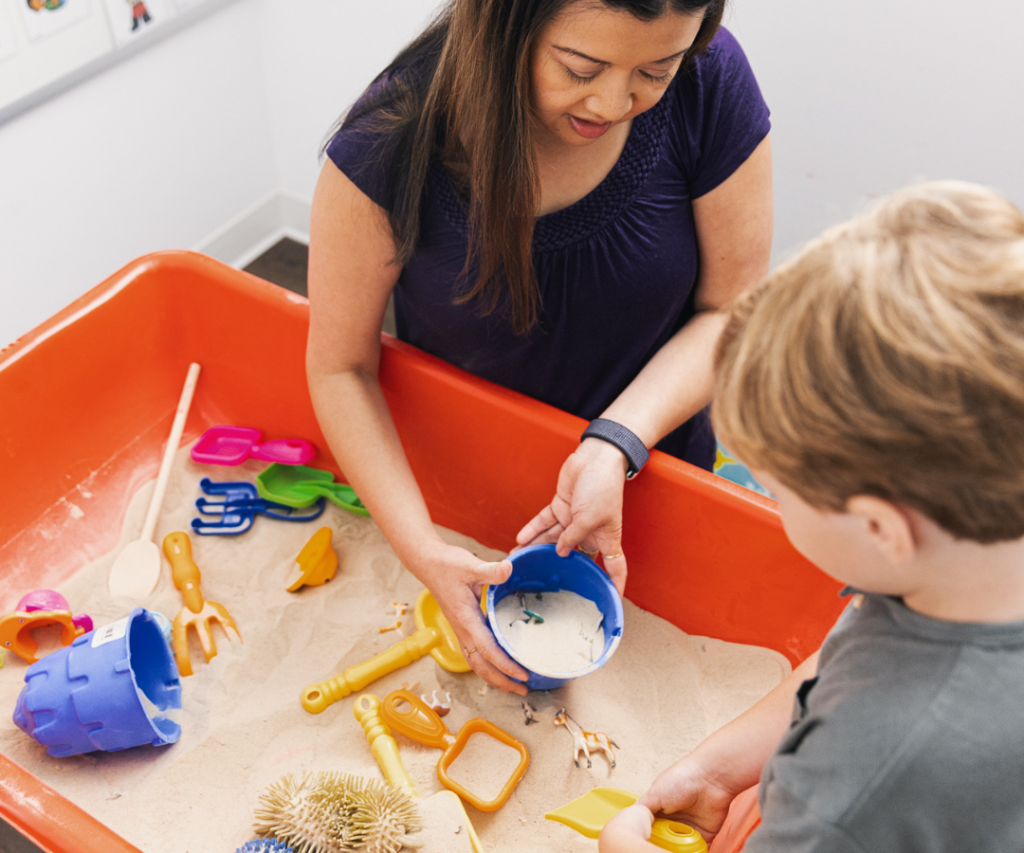
Play is how children learn. It’s also how they build communication, problem-solving, and social skills.
Occupational therapy helps children:
- Engage in back-and-forth play
- Explore imaginative and pretend play
- Build joint attention and shared experiences
- Increase comfort interacting with peers
These foundational skills often overlap with speech and language development, making collaboration between OT and speech therapy especially valuable.

4. Daily Living Skills
Independence looks different for every child, and OT supports progress in meaningful, functional ways.
This may include:
- Dressing and grooming
- Feeding and utensil use
- Following routines
- Participating in school tasks
The goal isn’t perfection. It’s helping children feel capable and confident in their everyday lives.
A Strengths-Based, Family-Centered Approach
At SmallTalk, we believe that therapy should support the whole child and their family. That means building on each child’s unique strengths while respecting their individual differences, and supporting parents with practical, real-life strategies that carry over beyond the therapy room.
Our goal is to create a positive, engaging experience where children feel comfortable, capable, and understood. Occupational therapy isn’t about changing who a child is. It’s about giving them the tools to navigate their world in a way that feels successful and empowering.
When to Consider Occupational Therapy
You might consider an OT evaluation if your child:
- Has strong reactions to sounds, textures, or movement
- Struggles with transitions or daily routines
- Has difficulty with play or interacting with peers
- Experiences frequent meltdowns or regulation challenges
- Shows delays in self-help skills like feeding or dressing
Early support can make a meaningful difference in helping children build skills and confidence over time. At SmallTalk Pediatric Therapy, our occupational therapists work closely with families to create individualized, supportive plans that fit into real life, not just the therapy room.
If you’re wondering whether occupational therapy could support your child, we’re always here to talk it through. Give us a call at 619-647-6157 or email us at hello@smalltalkspeech.com.
Community and Support
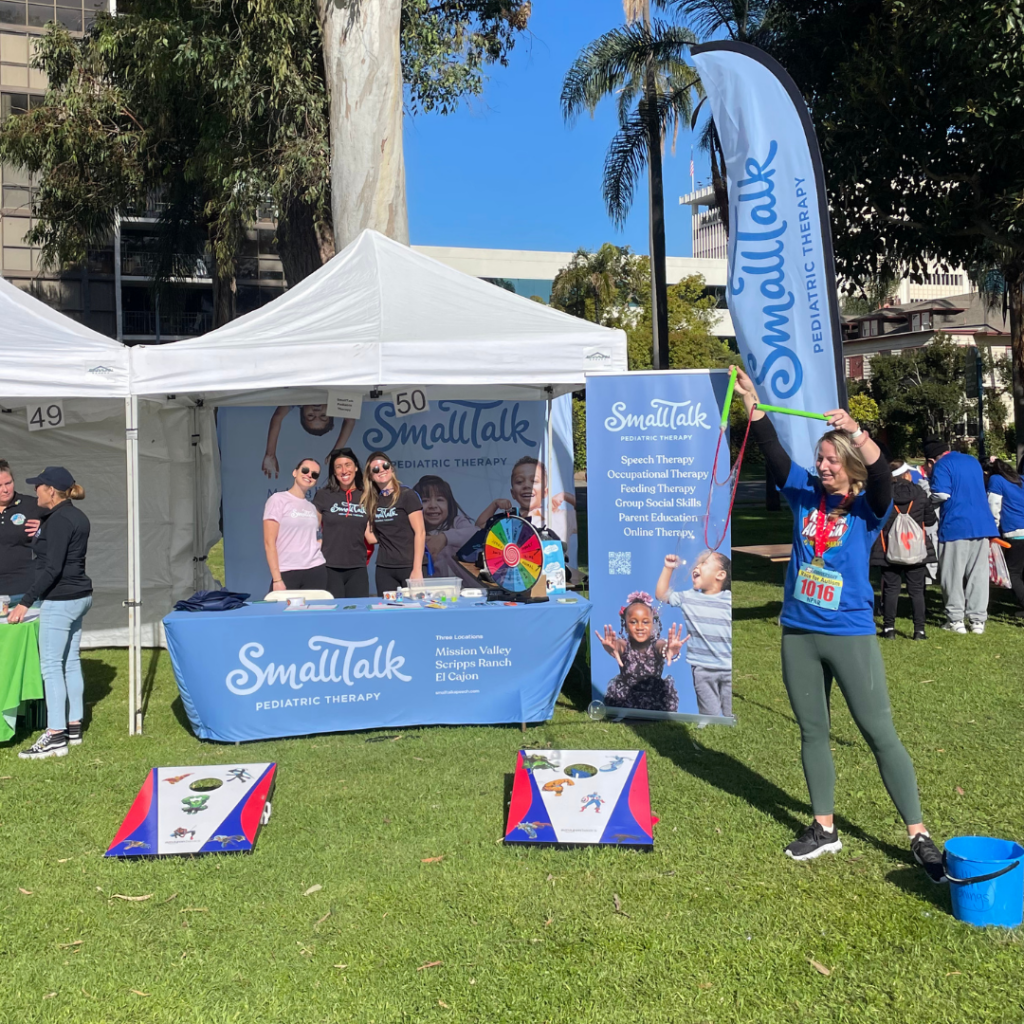
If you’re looking for ways to get involved or connect with other families in the San Diego community, local events like the Race for Autism hosted by the National Foundation for Autism Research (NFAR) are a wonderful place to start. Each year, this event brings together families and organizations in a supportive, family-friendly environment focused on connection and awareness.
SmallTalk Pediatric Therapy participates each year and hosts a booth, and we always love the opportunity to meet families, answer questions, and connect outside of the clinic. Whether you’re new to the journey or have been part of the community for years, it’s a meaningful way to feel supported and connected.
Autism Acceptance Month is a time to build understanding and celebrate differences. Occupational Therapy Month is a time to recognize the impact of meaningful, skill-building support. Together, they highlight something important: With the right support, every child can grow, connect, and thrive.