Pediatric Therapy for Autism Spectrum Disorder
in San Diego, CA
Expert Care for Children with Autism
If your child has been diagnosed with Autism, you may be wondering what you can do to help them thrive. Autism can impact many areas of your child’s life; but our team at SmallTalk Pediatric Therapy can help. Keep reading to learn how pediatric therapy can give your child the tools they need to succeed in school, relationships, and the community.
What Is Autism?
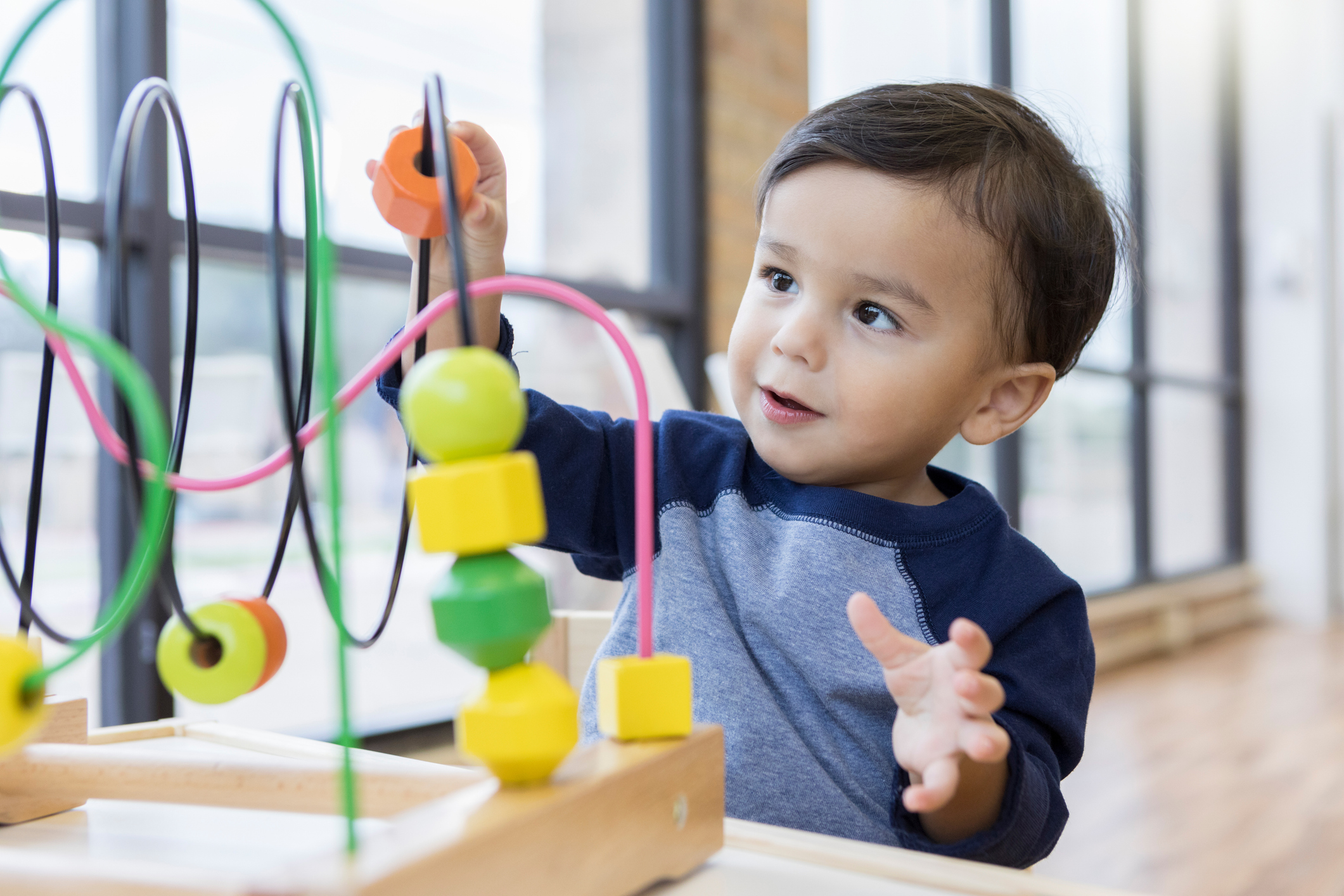
Autism spectrum disorder (ASD) can affect a child’s social, communication, learning, sensory processing ability, and motor planning ability. It is called a “spectrum” disorder because there are a wide range of traits or differences, and it affects each child differently.
Some Autistic children may need less support. Others may need more support for their growth and wellbeing.
What Is Autism?
Autism spectrum disorder (ASD) can affect a child’s social, communication, learning, sensory processing ability, and motor planning ability. It is called a “spectrum” disorder because there are a wide range of traits or differences, and it affects each child differently. Some Autistic children may need less support. Others may need more support for their growth and wellbeing.
Social Skills
- Difficulty with eye contact
- Struggles with starting or maintaining conversations
- Trouble understanding others’ emotions
- Difficulty grasping humor, sarcasm, or body language
- Difficulty understanding social cues and reading social situations
Communication Skills
- Delayed speech or language (or non-speaking)
- Repetition of words or phrases (echolalia)
- Limited ability to use or read facial expressions
Difficulty with Self Regulation and Strong Preferences for Certain Toys or Activities
- Repetitive behaviors like rocking or hand flapping
- Experiencing frequent meltdowns, especially from changes in routine
- Playing with toys the same way every time
- Shows hyper-focused interest in preferred topics
Sensory Processing Skills
- Sensitivity to (or craving for) visual stimulation (such as bright lights or looking at things out of the corner of their eyes), sound, or touch
- Excessive picky eating habits
How Pediatric Occupational Therapy Can Support Autism
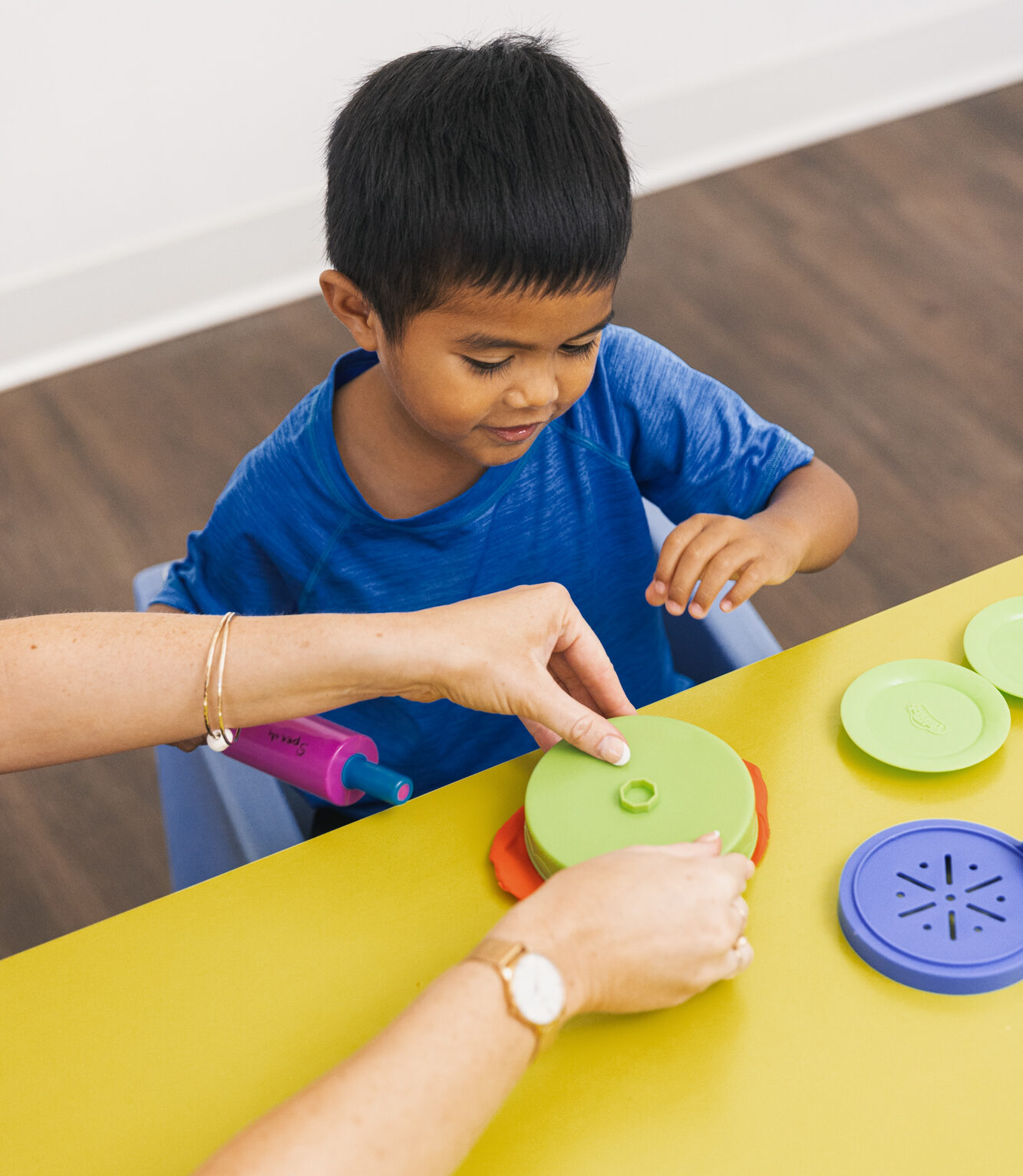
Pediatric occupational therapy helps children handle daily tasks independently and confidently. We address the skills that “occupy” your child’s time each day, such as learning, playing, and taking care of their bodies.
Through proven, play-based methods, our expert occupational therapists can help your child build the skills they need to thrive in all areas of life. Some of the skills we can help your child build include:
- Social and play skills like taking turns or understanding nonverbal cues
- Self-care skills like getting dressed, personal hygiene, and self-feeding
- Sensory processing skills, especially learning calming strategies and self-regulation
- Behavioral skills like knowing what behavior is appropriate in different environments
- Fine and gross motor skills, anything from handwriting to climbing and balancing
- And much more
How Pediatric Speech Therapy Can Support Autism
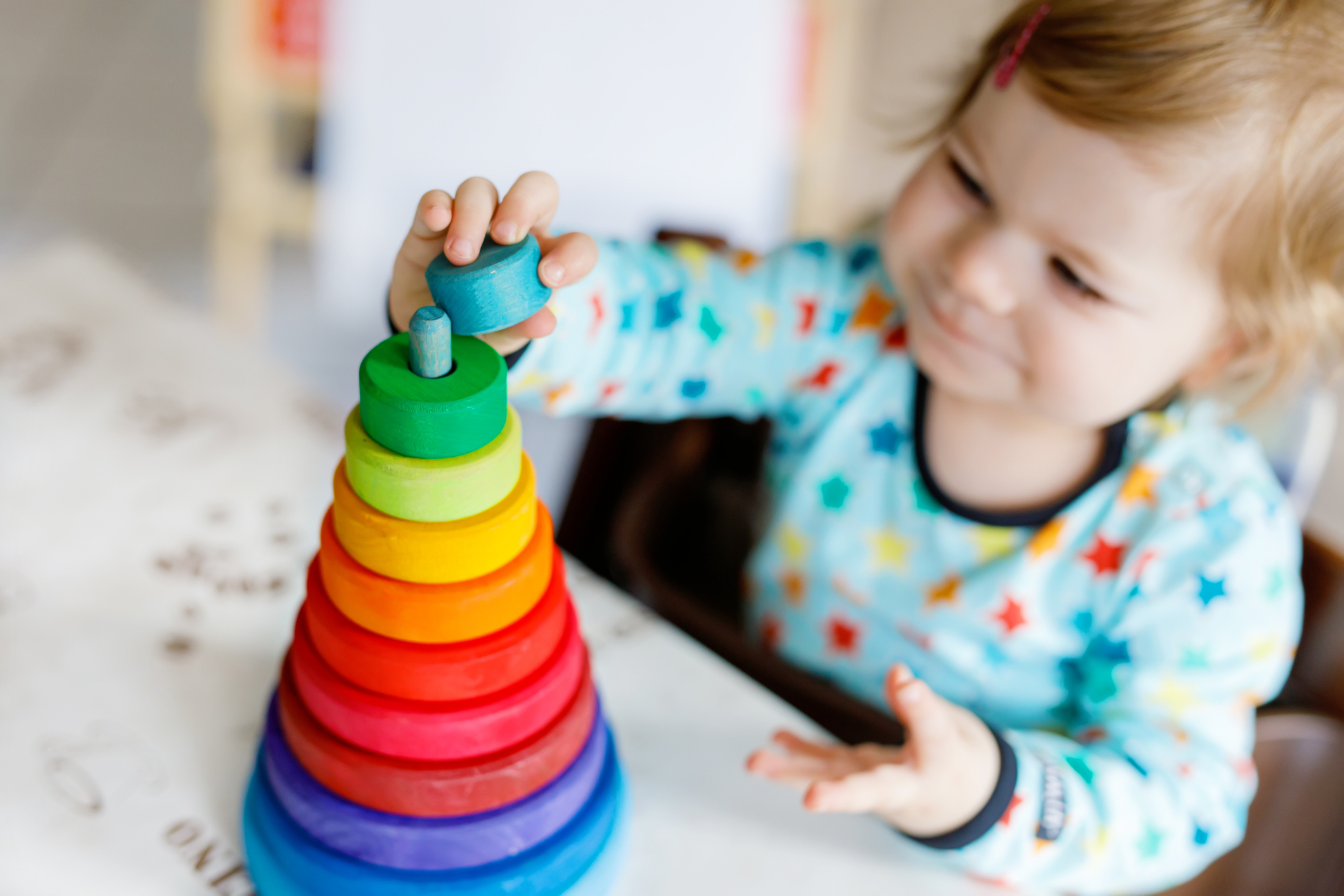
Pediatric speech and language therapy helps children better understand and use language to connect with others and express their own ideas. It also helps children gain the skills they need for functional communication and clear speech. For children who are non-speaking, we can help them learn to use tools such as an AAC (Augmentative and Alternative Communication) device and/or sign language so they are able to communicate functionally. Using these tools often encourages verbal speaking as well.
Through fun and evidence-based activities, our expert speech-language pathologists can help your child gain key skills like:
- Receptive language, or the ability to understand what others are saying
- Expressive language, or the ability to share their thoughts and ideas with others
- Articulation for clear and effective speech
- Social communication like taking turns in conversations
- And much more
Common Symptoms of Autism Spectrum Disorder
Some of the most common traits or differences of Autism include, but are not limited to, challenges in the following areas:
Social Skills
- Difficulty with eye contact
- Struggles with starting or maintaining conversations
- Trouble understanding others’ emotions
- Difficulty grasping humor, sarcasm, or body language
- Difficulty understanding social cues and reading social situations
Communication Skills
- Delayed speech or language (or non-speaking)
- Repetition of words or phrases (echolalia)
- Limited ability to use or read facial expressions

Difficulty with Self Regulation and Strong Preferences for Certain Toys or Activities
- Repetitive behaviors like rocking or hand flapping
- Experiencing frequent meltdowns, especially from changes in routine
- Playing with toys the same way every time
- Shows hyper-focused interest in preferred topics
Sensory Processing Skills
- Sensitivity to (or craving for) visual stimulation (such as bright lights or looking at things out of the corner of their eyes), sound, or touch
- Excessive picky eating habits
How Pediatric Occupational
Therapy Can
Support Autism
Pediatric occupational therapy helps children handle daily tasks independently and confidently. We address the skills that “occupy” your child’s time each day, such as learning, playing, and taking care of their bodies.
Through proven, play-based methods, our expert occupational therapists can help your child build the skills they need to thrive in all areas of life. Some of the skills we can help your child build include:
- Social and play skills like taking turns or understanding nonverbal cues
- Self-care skills like getting dressed, personal hygiene, and self-feeding
- Sensory processing skills, especially learning calming strategies and self-regulation
- Behavioral skills like knowing what behavior is appropriate in different environments
- Fine and gross motor skills, anything from handwriting to climbing and balancing
- And much more
How Pediatric Speech Therapy Can Support Autism
Pediatric speech and language therapy helps children better understand and use language to connect with others and express their own ideas. It also helps children gain the skills they need for functional communication and clear speech. For children who are non-speaking, we can help them learn to use tools such as an AAC (Augmentative and Alternative Communication) device and/or sign language so they are able to communicate functionally. Using these tools often encourages verbal speaking as well.
Through fun and evidence-based activities, our expert speech-language pathologists can help your child gain key skills like:
- Receptive language, or the ability to understand what others are saying
- Expressive language, or the ability to share their thoughts and ideas with others
- Articulation for clear and effective speech
- Social communication like taking turns in conversations
- And much more

Why Choose SmallTalk?
When it comes to helping your child gain independence and confidence, you want a team that not only understands child development but truly connects with kids. That’s exactly what you’ll find at SmallTalk!
We also know that parent involvement is key. That’s why we prioritize open communication and teamwork, so you always feel supported and involved in your child’s progress.
Schedule Your Child’s Evaluation Today
Early intervention can make a huge difference in your child’s confidence and independence in life. Our experts at SmallTalk Pediatric Therapy are ready to help your child build the skills they need to thrive at home, at school, and in life.
Call us at (619) 647-6157 today to schedule an evaluation for pediatric therapy, and let’s work together to support your child’s growth.