Pediatric Therapy for AAC
in San Diego, CA
Giving Children the Tools to Communicate
Communication is essential for expressing your needs, sharing your feelings, and connecting with others. For some children, these skills don’t come easily. That’s where pediatric therapy combined with AAC (Augmentative and Alternative Communication) can help.
At SmallTalk Pediatric Therapy, our caring therapists specialize in matching children with the right AAC tools and guiding families in how to use them effectively. Combined with pediatric speech therapy and occupational therapy, we can support your child in achieving valuable communication skills for a lifetime of success.
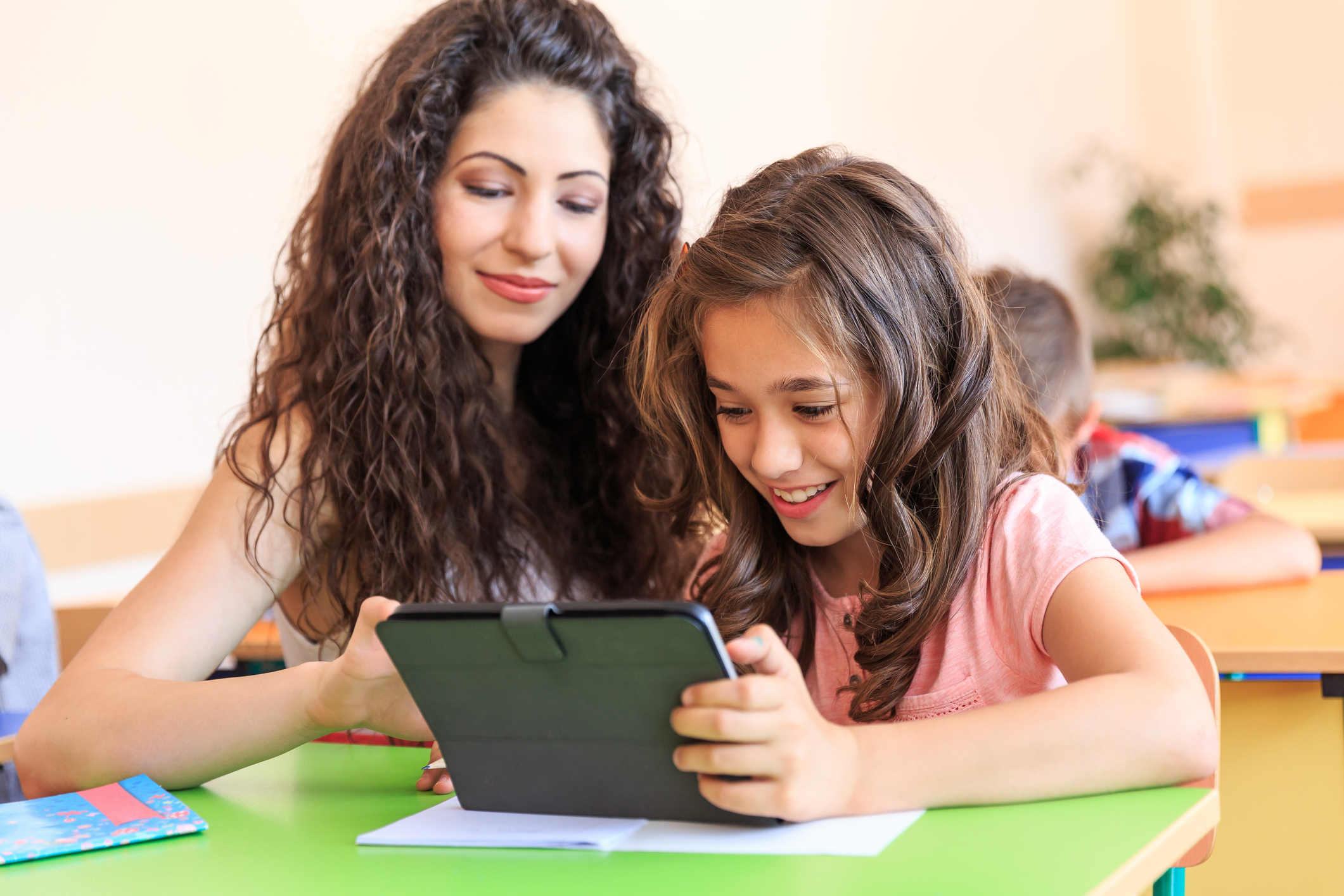
What Is AAC?
AAC stands for Augmentative and Alternative Communication. It includes all the ways a child can communicate besides talking. AAC can be as simple as pictures or gestures, or as advanced as speech-generating devices.
Some children use AAC temporarily to support speech development, while others use it long-term to connect and share their voice with the world. It is common for parents to worry that using AAC might lead to decreased verbal communication, but studies have shown the opposite is actually true. Many children show an increase in verbal communication when they start using AAC.
Common Types of AAC Devices and Methods
There are many forms of AAC, ranging from low-tech to high-tech. Some of the most common include:
- Gestures and sign language: to communicate with their hands
- Picture exchange systems: pointing to or trading pictures to communicate their needs
- Communication boards or books: that have symbols or words on them to which children can point to communicate their needs
- Speech-generating devices (SGDs): electronic devices which produce spoken words when a child selects pictures, symbols, or text on a screen
- Apps on tablets: special apps designed for communication support
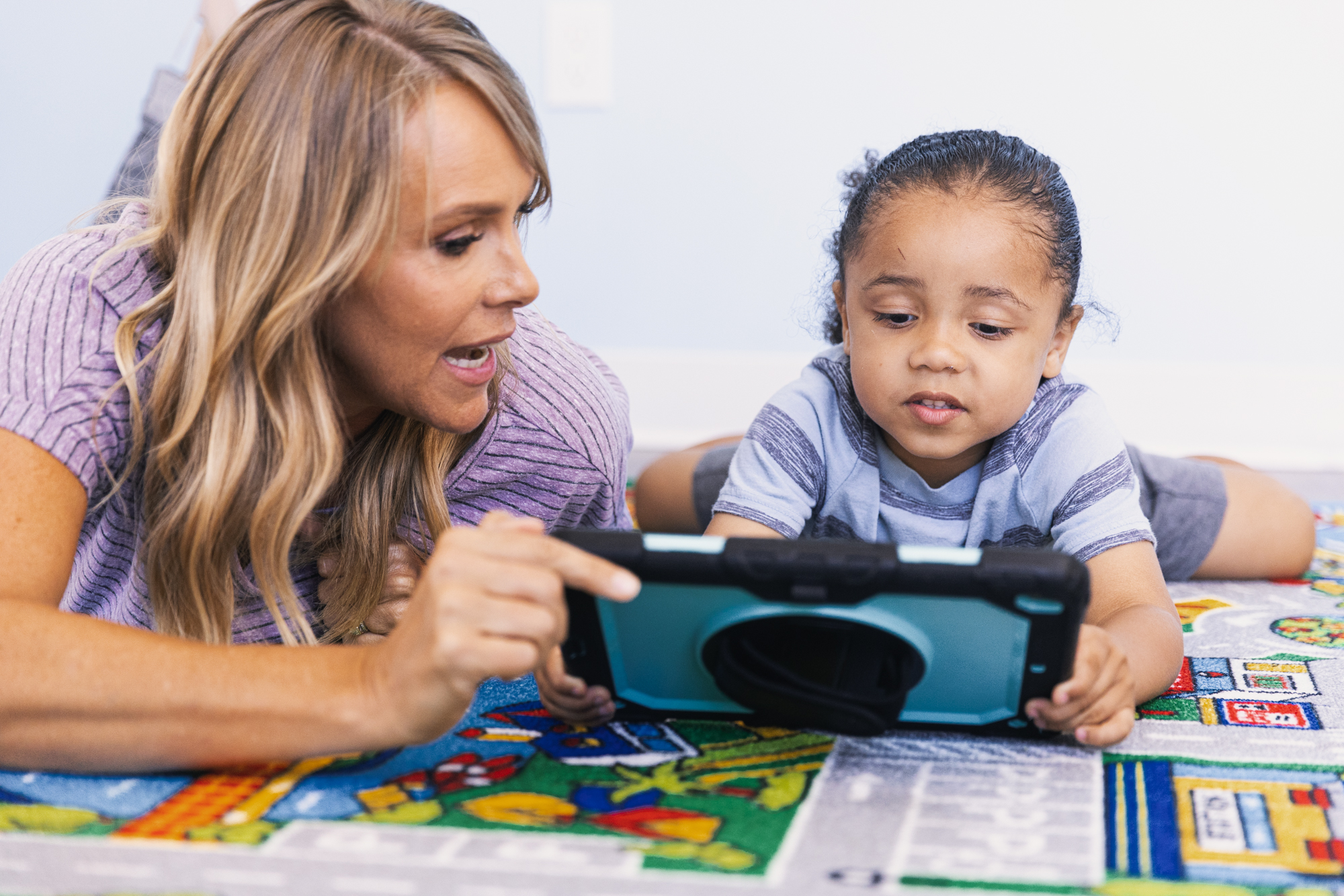
Who Can Benefit from Using AAC Devices?
AAC is helpful for many children who have difficulty speaking or being understood. We commonly recommend it for children with specific conditions, such as:
- Autism spectrum disorder (ASD)
- Developmental delays
- Cerebral palsy
- Down syndrome
- Childhood apraxia of speech
- Traumatic brain injury
- Other neurological or genetic conditions affecting speech and language
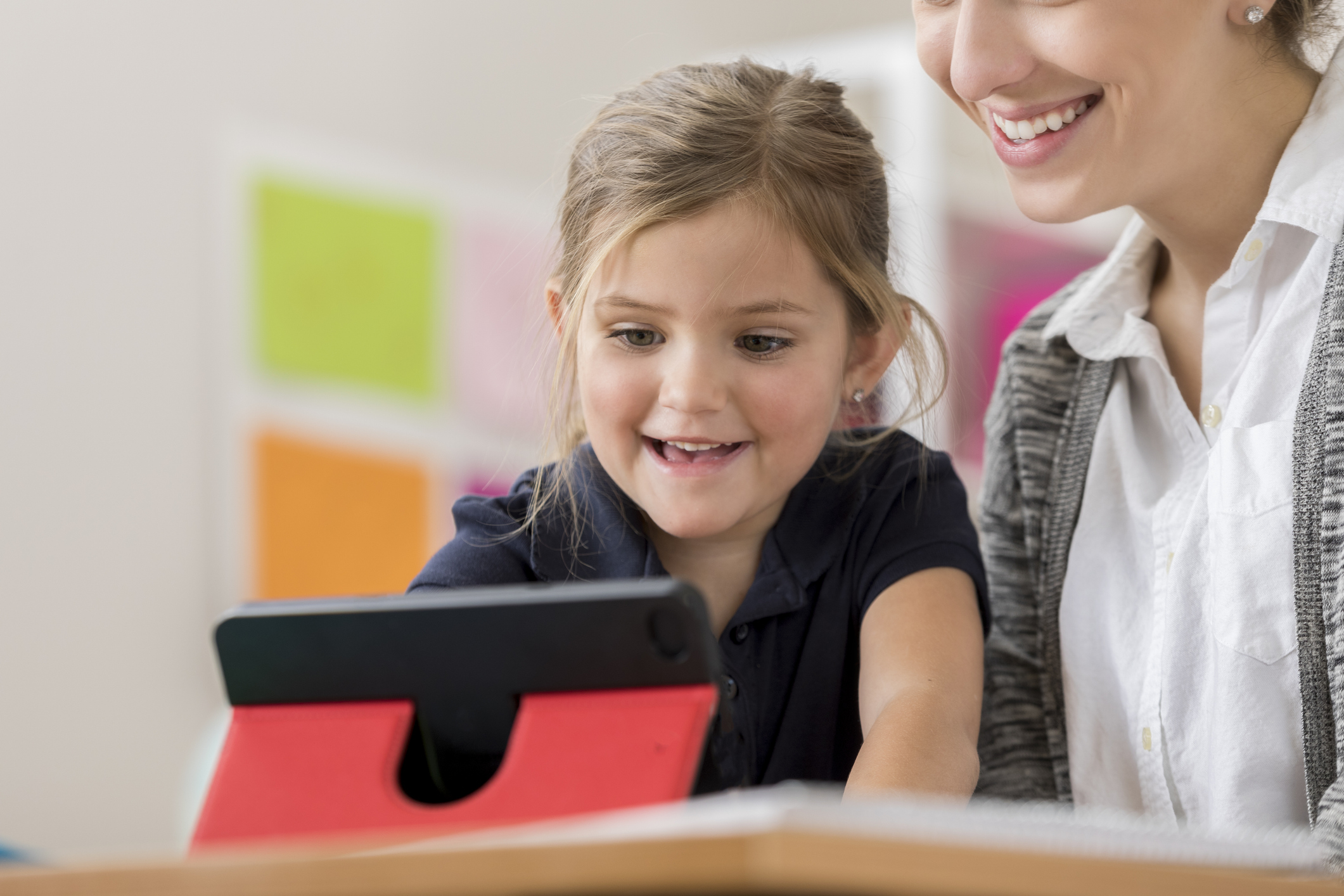
How Pediatric Therapists Can Use AAC to Support Your Child
At SmallTalk, our speech-language pathologists and occupational therapists collaborate to help children explore, trial, and use AAC tools that fit their strengths and needs. Our goal is not only to give children a voice but to help them feel empowered, confident, and included in every setting.
Together with you and your child, we can:
- Evaluate your child’s communication skills and daily routines
- Recommend the AAC methods or devices best suited to their abilities and goals
- Teach your child how to use AAC in playful, functional ways
- Provide coaching so parents and caregivers can confidently use AAC at home, school, and in the community
- Continue building speech and language skills alongside AAC use, so children have as many ways as possible to connect and communicate
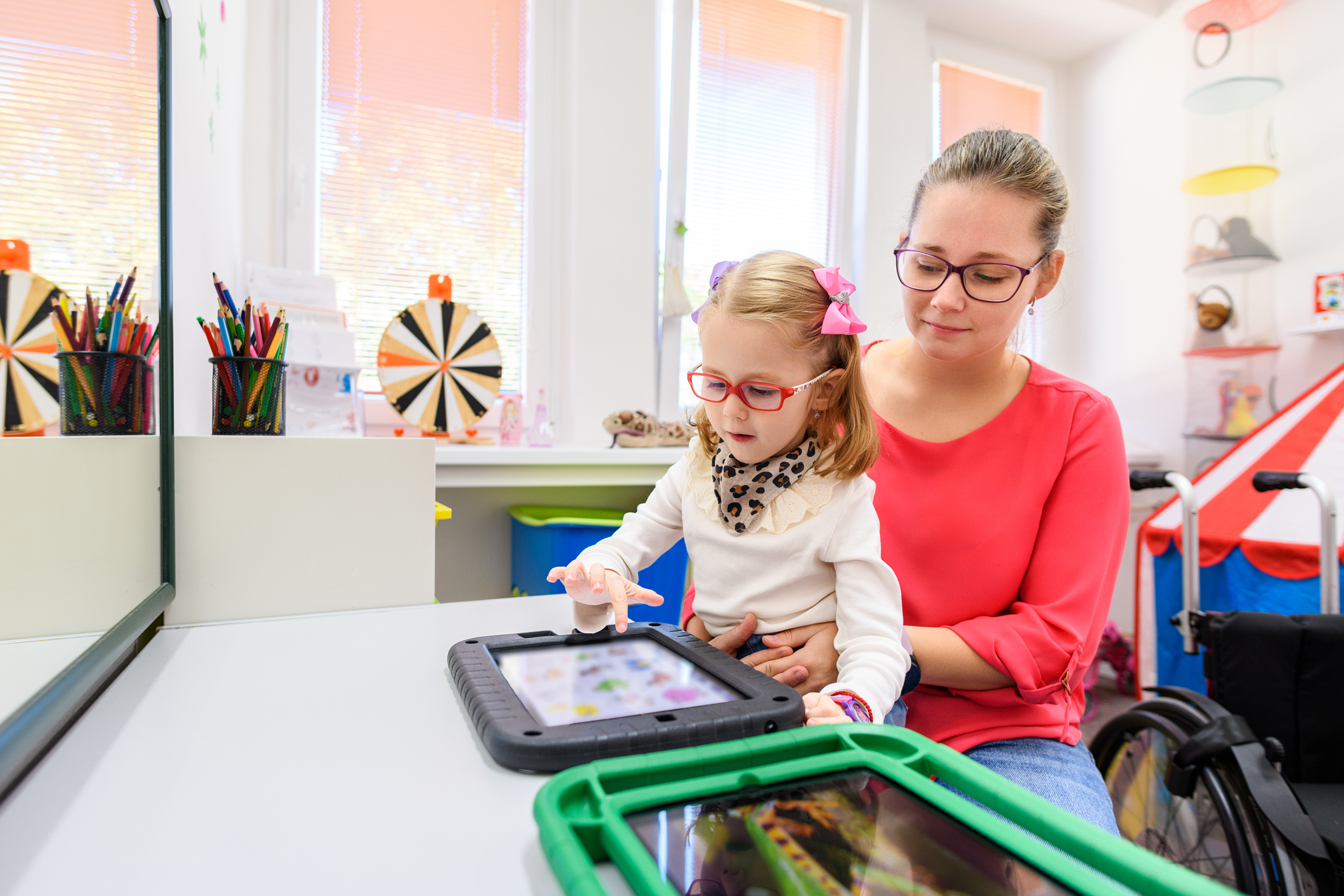

Why Choose SmallTalk?
When it comes to your child’s communication, you want the very best, and so do we! We help children throughout San Diego achieve their greatest potential.
We make therapy fun, family-centered, and goal-driven. From your very first phone call to each session after, you’ll feel supported and heard. We collaborate closely with parents and provide practical strategies you can use at home to help your child keep progressing beyond the therapy room.
Schedule Your Child’s Evaluation Today
If you think your child could benefit from AAC, the first step is a professional evaluation. Our experts at SmallTalk Pediatric Therapy have more than 20 years of experience helping children in San Diego find the tools that work best for them.
Call us at (619) 647-6157 or fill out our online form today to schedule an evaluation. Together, we’ll help your child discover new ways to communicate and connect.