
Inclusive Activities and Resources for Kids in San Diego

At SmallTalk Pediatric Therapy, we believe that progress doesn’t stop at the clinic door. For many families, the most meaningful growth happens when therapy skills carry over into everyday life, whether that’s at the park, in a museum, or through a community program. Luckily, San Diego is full of inclusive activities and resources that align beautifully with speech and occupational therapy goals.

Here are a few local favorites that we often recommend to families:

1. Inclusive Playgrounds and Outdoor Spaces

San Diego has made great strides in creating parks that welcome children of all abilities. Places like Mission Bay, Waterfront Park downtown, and Balboa Park offer wide, accessible play structures and open spaces that encourage movement, social interaction, and imaginative play. From an OT perspective, these playgrounds provide opportunities for climbing, balancing, and building gross motor skills. For speech, they create natural opportunities for children to practice communication in play with peers.

2. Museums with Sensory-Friendly Programs

Several local museums host inclusive events designed with children’s sensory needs in mind. The Fleet Science Center and The New Children’s Museum both offer accessibility programs, and the San Diego Children’s Museum of Discovery provides hands-on learning that is both engaging and adaptable. Visiting these environments can help children generalize skills such as, following directions, asking questions, or practicing turn-taking, in real-world settings.
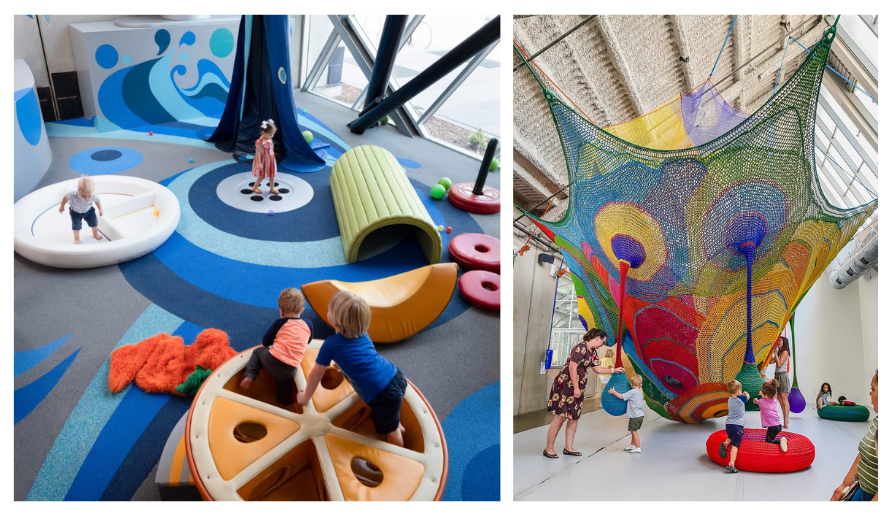
The New Children’s Museum

3. Inclusive Recreation and Sports Programs

The City of San Diego Parks & Recreation Department’s Therapeutic Recreation Services offers year-round programs for children with developmental needs. Families can also explore adaptive play opportunities like Play My Way and TOPSoccer, both of which emphasize inclusion and fun. These types of organizations are a wonderful complement to therapy, giving children the chance to build confidence and social skills in a supportive environment.

4. Sensory-Friendly Events and Entertainment

Local theaters and organizations host sensory-friendly performances and movie showings, such as AMC’s Sensory Friendly Films and productions at some community theaters. These events are designed so children can move, make noise, or take breaks without worry.

5. Community Support and Learning Opportunities

Organizations like the National Foundation for Autism Research provide resources and host events, while programs like Learning for All offer educational therapy that can complement speech and ot. Local libraries also frequently offer inclusive storytimes that support early literacy and language skills, perfect for families who want to carry speech therapy goals into daily routines.

SmallTalk attends the Race for Autism 2025

Why These Resources Matter

At SmallTalk, we see firsthand how important it is for therapy to connect with everyday life. When a child practices communication at storytime, strengthens motor skills on a playground, or builds social confidence on a team, they’re not just learning, they’re living the skills we work on in therapy.

We encourage families to explore these inclusive opportunities around San Diego. They can make a big difference in helping children feel successful, connected, and celebrated both inside and outside the clinic.

Looking for more information about how SmallTalk Pediatric Therapy can help your kiddo grow? Give us a call at 619-647-6157 or email us at hello@smalltalkspeech.com and we can give you more information or schedule an evaluation.


Summer Speech & OT Tips: Five Ways to Support Your Child’s Development at Home

Summer break is here—and while it’s a great time to relax and recharge, it can also be the perfect season to support your child’s developmental goals through fun, play-based activities. Whether your child is working on communication, motor skills, or sensory regulation, there are plenty of simple ways to keep therapy going at home.

At SmallTalk Pediatric Therapy, we believe that kids learn best through play—and summer is full of playful opportunities. Here are some therapist-approved tips to help you make the most of the season.

1. Build Speech Skills Through Everyday Moments

Language is everywhere! Use summer outings—like beach trips, park days, or even grocery runs—to model vocabulary, ask open-ended questions, and encourage your child to describe what they see or feel. For younger children, narrate your activities and encourage imitation. For older kids, play games like “I Spy” or storytelling prompts in the car.

Summer Speech & OT Tips: Five Ways to Support Your Child’s Development at Home

Try this: Pack a “summer bag” and talk through each item: “This is sunscreen. It keeps our skin safe!”

2. Make Sensory Play a Daily Routine

Sensory bins, sand play, water tables, and even messy play with shaving cream or finger paint can help children with sensory processing challenges stay regulated and engaged. Summer is a great time to get messy outdoors!

Try this: Fill a bin with water, sponges, and cups for a simple, calming sensory station.

3. Strengthen Fine Motor Skills with Summer Crafts

From sidewalk chalk to water balloons, summer is full of hands-on activities that boost coordination. Crafts like beading, finger painting, and cutting shapes are great for improving grip strength and control—key goals in occupational therapy.

Strengthen Fine Motor Skills with Summer Crafts

Try this: Make homemade lemonade and let your child squeeze the lemons, stir, and pour—great for hand strength and sequencing.

4. Keep a Routine—but Keep it Flexible

Kids thrive on predictability. Try keeping some structure to your summer days (e.g., morning chores, mid-morning activity, afternoon free play), but allow room for spontaneity. Consistent mealtimes, bedtime routines, and regular movement breaks support both sensory and communication development.

Tip: Use visual schedules to help your child understand what’s coming next.

5. Stay Connected with Your Therapy Team

If your child is enrolled in speech or OT over the summer, be sure to attend regularly—and talk with your therapist about summer goals and carryover activities. If you’re taking a break, ask for a few at-home strategies to keep skills fresh.

Not in therapy yet? Summer is a great time to schedule an evaluation or get started without the school-year rush!

SmallTalk is Here to Help All Summer Long

At SmallTalk Pediatric Therapy, we’re here to support your family year-round—with fun, effective, and compassionate care. Whether you’re continuing therapy this summer or want ideas to use at home, our team is always happy to share tools and encouragement.

If you have questions about your child’s speech, motor, or sensory development, schedule an evaluation today.

Here’s to a summer full of growth, play, and connection!

Finding Calm in the Chaos: Tips to Tackle Routine Changes During the Holiday Season

Fall is my favorite time of the year! The weather gets cooler, festivities are all around, and Thanksgiving brings family and friends together. While family gatherings can be fun, they can also be overwhelming for children who get easily overstimulated. This could include reactions to change in routine, loudness, and/or the expectation of conversations with unfamiliar listeners. Here are a few tips to help your child during those unexpected situations: 

Tips for Routine Changes:

  • Make a visual schedule or use a calendar for your child, when the holidays come closer, in order to prepare for various events (Ex: Grandma and Grandpa come on Nov. 20th, Thanksgiving is on November 24th). You can do a fun countdown with your child to encourage anticipation for incoming visitors.
  • Give your child permission to leave a situation if overstimulation occurs. Even adults need a break, so if your child needs time alone for a while in a safe space, it’s okay.
  • Make clear boundaries with family members, so they are aware of expectations regarding your child. Grandmas and Grandpas, Aunts and Uncles love being with their littles, but may forget that your child doesn’t like to be hugged or asked a lot of questions up front.

Tips for Conversation with unfamiliar family members: 

  • Practice using a conversation map prior to visitors arriving where you write down a few bullet points to utilize during conversation. This is a great strategy to use if your child gets anxiety when talking with others. It can be simple and geared towards your child’s interests:
    • Hi, Aunt Sally. How are you?
    • I’m fine, how are you?
    • I’m great. How was your trip? Do you want to see my toys?
    • It was long, but good. Oh sure, let’s go play!

Happy Thanksgiving!

Written by: Caitlin Davis, SLPA

Link copied to clipboard!